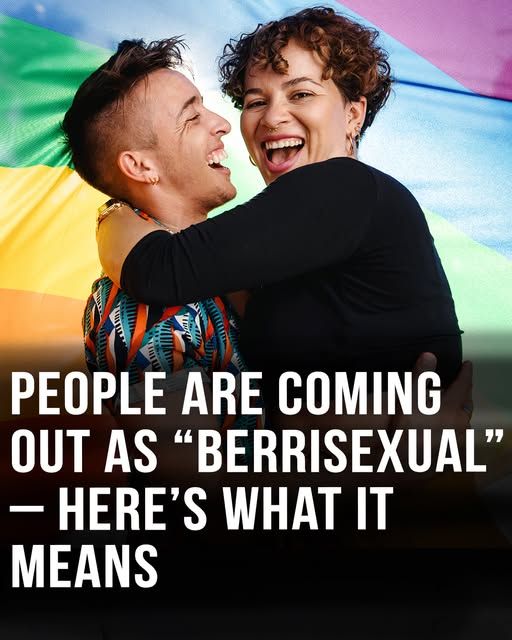
For many queer people, attraction has never followed the neat, symmetrical lines that mainstream labels imply. Being mostly drawn to women, feminine-aligned, or androgynous people, while occasionally feeling something for men or masculinity, can leave you stranded between identities that don’t fully fit. Some quietly dropped “lesbian” because of a rare crush on a man; others rejected “bisexual” because their attraction was never truly balanced. Berrisexuality offers a home for that in-between.
What makes this word powerful isn’t trendiness, but relief. It emerged in small queer spaces where nuance is normal and judgment is rare, then spread as people recognized themselves in its definition. For many, finding “berrisexual” feels less like inventing a new box and more like finally naming an old truth. Whether the term stays niche or grows, its gift is simple: permission to be precise, complex, and unapologetically real about what you feel.