Bologna is less a random “meat mush” and more a tightly regulated, modern descendant of old-world sausage craft. Today’s slices are usually made from beef, pork, chicken, or a blend, finely ground and emulsified into that familiar smooth paste, then cooked and often smoked in either natural or synthetic casings. While people imagine beaks, hooves, and horror stories, U.S. rules and current market demand mean most mass-produced bologna uses standard meat and fat, not the nightmare scraps of urban legend.
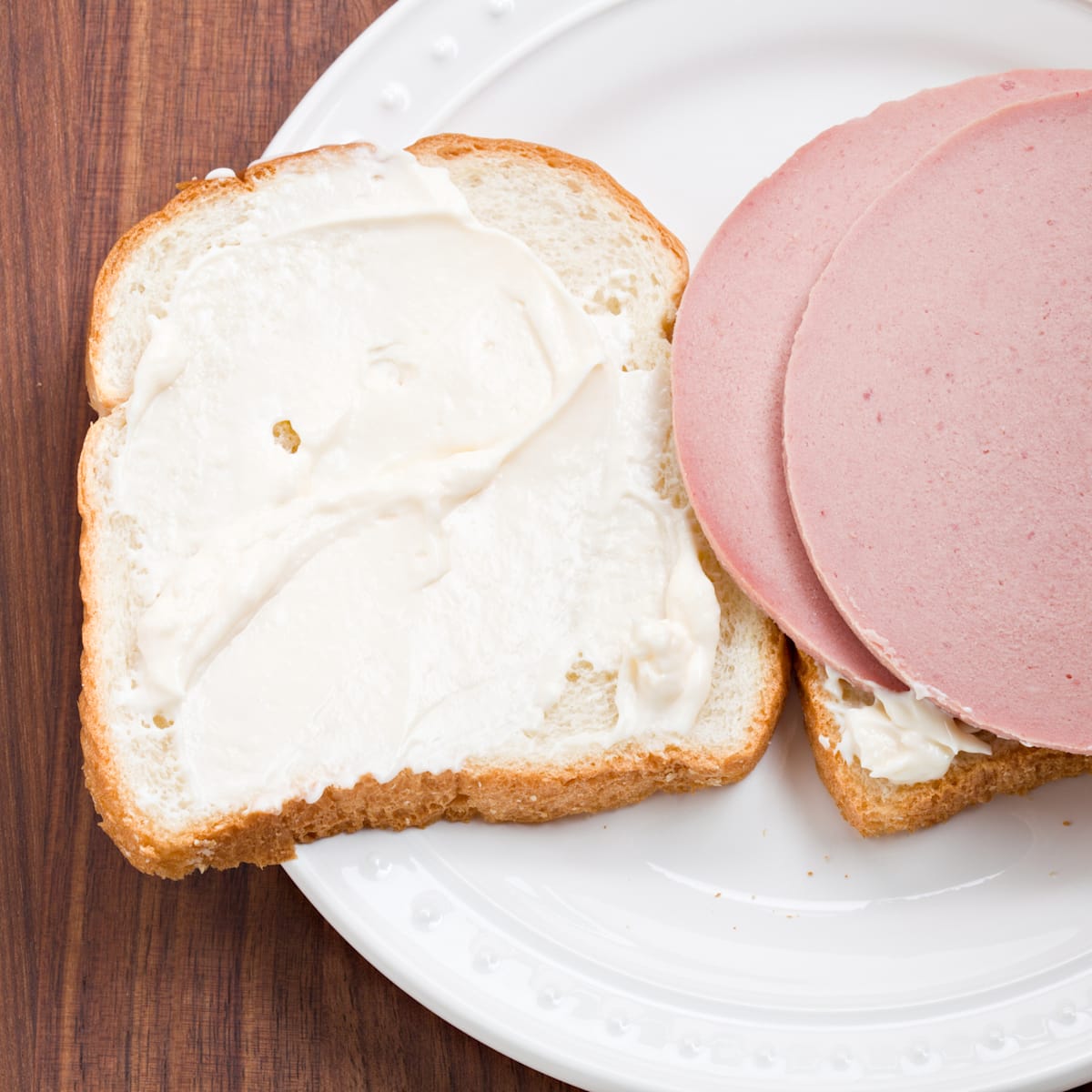
Its Italian cousin, mortadella, reveals the product’s heritage: a proud, flavorful sausage from Bologna, Italy, speckled with cubes of fat, peppercorns, and sometimes pistachios. American bologna, by contrast, is streamlined and homogenized, built for uniformity and affordability. Read the label and you’ll see the truth: spices, sweeteners, and emulsified meat—not a health food, but not a mystery monster either, just a processed comfort we’ve chosen to both mock and keep eating.