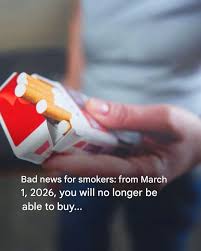
In France, the price of every pack is the result of a strict pact between manufacturers and the state: companies propose, but customs and government decide. Once validated, the price is identical in every tobacconist, with no discounts, no promotions, no “good deals.” Around 75–80% of what you pay is tax, barely 15% goes to the manufacturer, and about 8–10% to the tobacconist. On 1 January 2026, a new increase pushed most packs to around €12.50–€13, with cheap brands almost wiped out. Cartons now easily reach €250–€390, while a 30 g pouch of rolling tobacco costs up to nearly €19.
Behind this financial pressure lies a clear political choice: make smoking unaffordable to save lives. With about 75,000 deaths a year, tobacco remains a national tragedy. Since 2023, taxes are indexed to inflation, locking in yearly hikes that could push packs toward €20 within a decade. Yet just across the border, cigarettes cost half as much, fueling smuggling and cross‑border shopping. At the same time, France has tightened bans: no smoking in enclosed public spaces, parks, beaches, bus shelters, or near schools, under threat of fines for lighting up, vaping where it’s forbidden, or even dropping a butt on the ground. What was once a daily habit is slowly being turned into a costly, regulated, and increasingly isolated act.