When you unplug appliances after using them, you’re not just saving a bit on your electricity bill—you’re also reducing fire risks and extending the lifespan of your devices. Many household items continue to draw power even when turned off, a phenomenon known as phantom or standby power. Over time, this can add up, both in terms of energy consumption and potential hazards. Energy experts estimate that standby power can account for up to 10 percent of household electricity use. Unplugging appliances is also a smart way to protect your electronics during storms or power surges. It takes little effort and offers long-term benefits. Let’s look at five common appliances you should always unplug when not in use. Plus, we’ll share tips to keep your home safer overall.
1. Toasters and Toaster Ovens
Toasters and toaster ovens are found in most kitchens and used regularly, but they also come with surprising risks. When crumbs build up inside the toaster, they can catch fire if the appliance malfunctions or overheats. Leaving it plugged in also lets it keep drawing electricity, which is a waste if it’s not being used. That energy waste adds up, especially over the course of a year. A power surge or damaged plug can cause the unit to spark or short out. If flammable materials are nearby, like paper towels or plastic wrappers, it becomes an even bigger risk. Some older toasters don’t have modern safety features, making them more likely to overheat or catch fire. It’s also easy to forget that the heating coils may still be warm long after use. Unplugging and cleaning your toaster regularly can save you from future problems. This quick habit boosts kitchen safety and helps your toaster last longer.
2. Coffee Makers
Coffee makers are convenient, but they come with a hidden cost. Many models keep drawing electricity to power their built-in clocks or keep water warm for quick brewing. That constant power use affects your utility bill over time. It also adds stress on the internal components, especially if the machine runs for hours daily. If a heating element fails while it’s still plugged in, it can start to overheat. That could lead to smoke or, in the worst case, a fire. Coffee makers are often placed near curtains or paper items, which can catch fire quickly. Unplugging your coffee maker after use helps prevent this and saves energy at the same time. Some people assume the auto-shutoff is enough, but that only stops brewing—it doesn’t stop energy flow. Getting in the habit of unplugging it keeps your mornings safer and your machine working better.
3. Air Fryers
Air fryers are everywhere these days, but most people don’t realize they keep using energy when left plugged in. Like many modern kitchen gadgets, air fryers are built with digital screens and memory settings that require a constant trickle of electricity. Even when not actively cooking, they draw power if still connected. Leaving them plugged in can also raise the chance of a short circuit, especially if there’s grease or residue around the plug. If the heating element malfunctions, there’s a chance it could heat up unexpectedly. This is dangerous, particularly if the unit is close to towels, paper, or other flammable materials. The fan inside can stay warm for a while too, even after you’re done using it. Waiting for it to cool and then unplugging is a safe routine. It’s one more small step that improves your kitchen’s overall safety and cuts down on your electric bill.
4. Space Heaters
Space heaters provide much-needed warmth, but they’re also known for causing fires when used carelessly. Even when switched off, many heaters still draw power if left plugged in. If one falls over or gets bumped while still connected, it might overheat or short-circuit. This is especially risky in homes with pets or small children. Older models may lack modern safety protections like automatic shutoff or temperature sensors which is a big reason why you should unplug appliances like these. If something flammable is nearby—like a blanket, towel, or curtain—the danger increases. Plugging heaters into extension cords or overused outlets is also a major hazard. These small devices pull a lot of energy and can easily overload a circuit. It’s best to unplug your heater every time you’re done using it. That habit keeps your home safer and extends the life of the appliance.
5. Microwaves
Microwaves are one of the biggest phantom power users in your kitchen. The clock display alone uses electricity all day. Many models also keep internal circuits active even when not in use, allowing them to respond instantly when you press a button. That convenience comes at a cost—not just to your wallet but also to home safety. Grease and food splatters inside the microwave can become a fire hazard if the appliance malfunctions. A short circuit in the control panel can cause sparks, especially in older units. Surrounding the microwave with paper towels, cookbooks, or wooden shelves adds to the risk. Taking the time to unplug it helps prevent these problems. It also gives you a moment to check for any spills or dirt that need cleaning. This small change can go a long way in improving your kitchen’s safety.
6. Additional Tips to Keep Your Home Safe
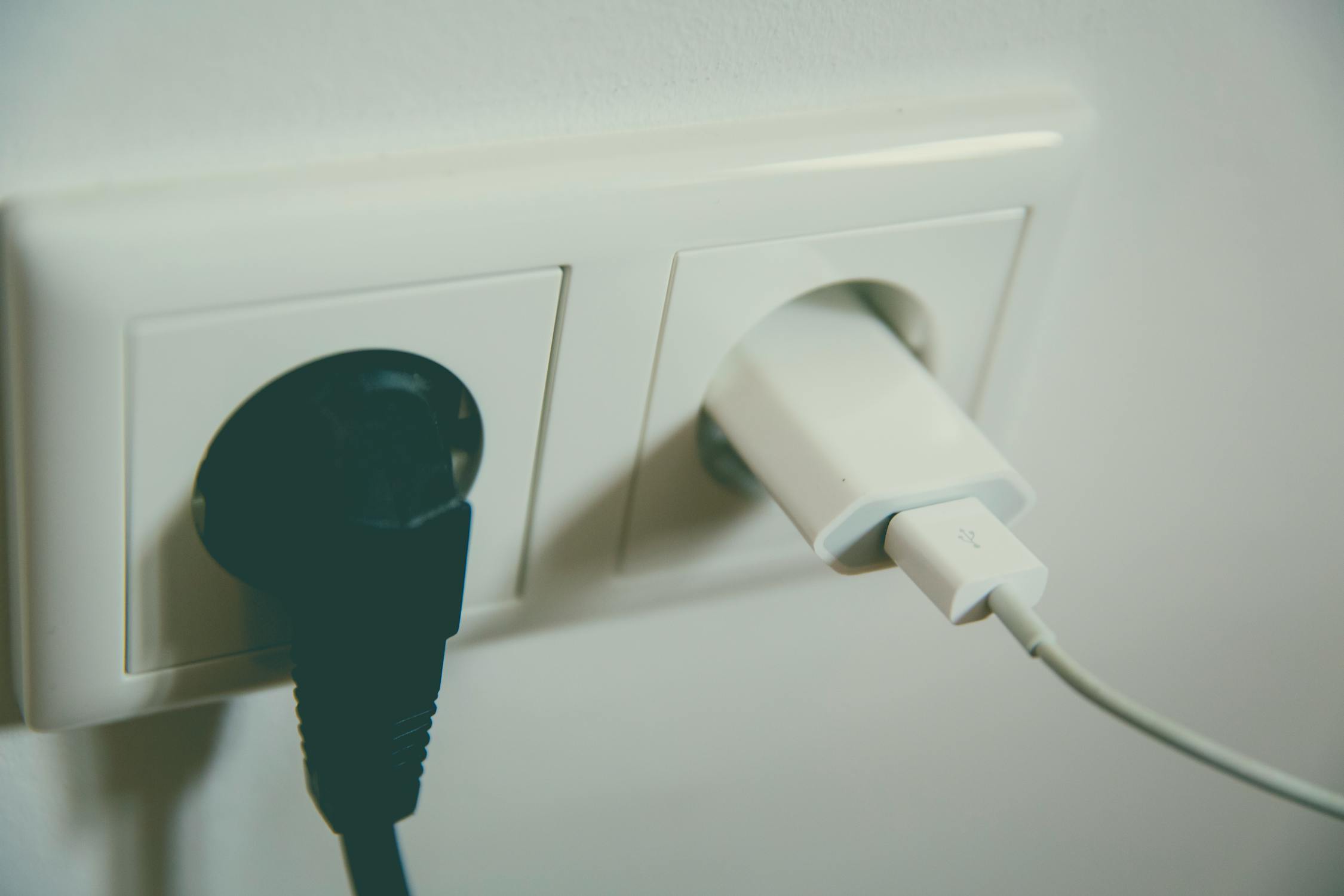
Besides unplugging appliances, there are other simple steps you can take to keep your home protected. First, inspect cords and plugs often for signs of damage like cracks or fraying. If you notice anything off, replace the cord or the whole appliance right away. Don’t overload outlets or power strips, especially with heat-producing items like toasters or space heaters. Surge protectors help protect your expensive electronics during storms or power outages. Make sure you have working smoke detectors in every room where appliances are used, not just the kitchen. Change their batteries at least twice a year. Keep items like curtains, towels, and paper far from any heat source. Teach kids about which appliances are safe and which should never be touched without supervision. Store instruction manuals somewhere easy to find, so you can reference them when needed. A few simple habits can help avoid accidents and give you peace of mind.
7. Simple Ways to Save Electricity
Cutting down your electricity use doesn’t require huge sacrifices—just a few smart habits added to your routine. Start by switching to energy-efficient LED bulbs instead of traditional incandescent lights. They use less power and last much longer. Set your thermostat a few degrees lower in winter and higher in summer to reduce HVAC strain. When doing laundry, wash with cold water and always run full loads to maximize efficiency. Keep your refrigerator’s temperature between 37 and 40 degrees Fahrenheit for ideal energy use. Use ceiling fans to help circulate air instead of always cranking the AC. Another great tip is to use smart power strips that shut off electronics when they’re not in use. These strips detect standby mode and cut off unnecessary power flow. Finally, unplug chargers and small gadgets when they’re done—they continue using energy even when not connected to anything. Small steps like these can add up to big savings.
Creating a habit of unplugging appliances is an easy way to protect your home, save money, and avoid unwanted hazards. Devices like toasters, coffee makers, air fryers, space heaters, and microwaves keep drawing power when plugged in, and that can add up fast. Some of these appliances can even overheat or malfunction, leading to real fire risks. By unplugging them, you’re cutting down on phantom energy use and preventing unnecessary wear. Pair this with smart safety habits like inspecting cords and checking smoke detectors. These small steps can make a huge difference in your home’s safety. The cost savings are nice, but knowing your family is safer matters even more. Start small by unplugging just one device, then build from there. Over time, it becomes second nature. Your future self will thank you for it.