The influence a husband’s habits can have on his wife’s well-being is far greater than many couples realize. Small everyday choices — skipping workouts, lighting a cigarette, or falling into unhealthy routines — can quietly build up over time and create significant health risks.
Many women don’t realize that their partner’s lifestyle can directly affect their own long-term health. Two habits in particular — often brushed off as harmless or purely personal — can subtly increase a wife’s risk of developing serious breast conditions.
Breast health remains one of the most important health concerns for women worldwide. While lifestyle and environmental factors are well-known contributors, a husband’s behaviors can also have a meaningful impact. A caring partner doesn’t just offer emotional support — he also shares responsibility in safeguarding his wife’s health.
Experts caution that two daily habits, often overlooked, may indirectly but significantly raise risk factors for breast disease. Understanding these risks — and addressing them together — can help couples build not only healthier routines but also a stronger, more supportive relationship.

It may not seem connected at first, but when a husband avoids physical activity, it often shapes his wife’s routines as well. Couples influence each other’s habits more than they realize, especially after years of living together. When he spends most of his time sitting, avoids exercise, or pairs inactivity with irregular eating patterns, his wife is far more likely to slip into the same lifestyle.
Research consistently shows that physical inactivity and excess weight increase the risk of breast issues, especially in women over 40. Lack of movement can disrupt hormonal balance and raise estrogen levels, a known factor in abnormal breast cell growth.
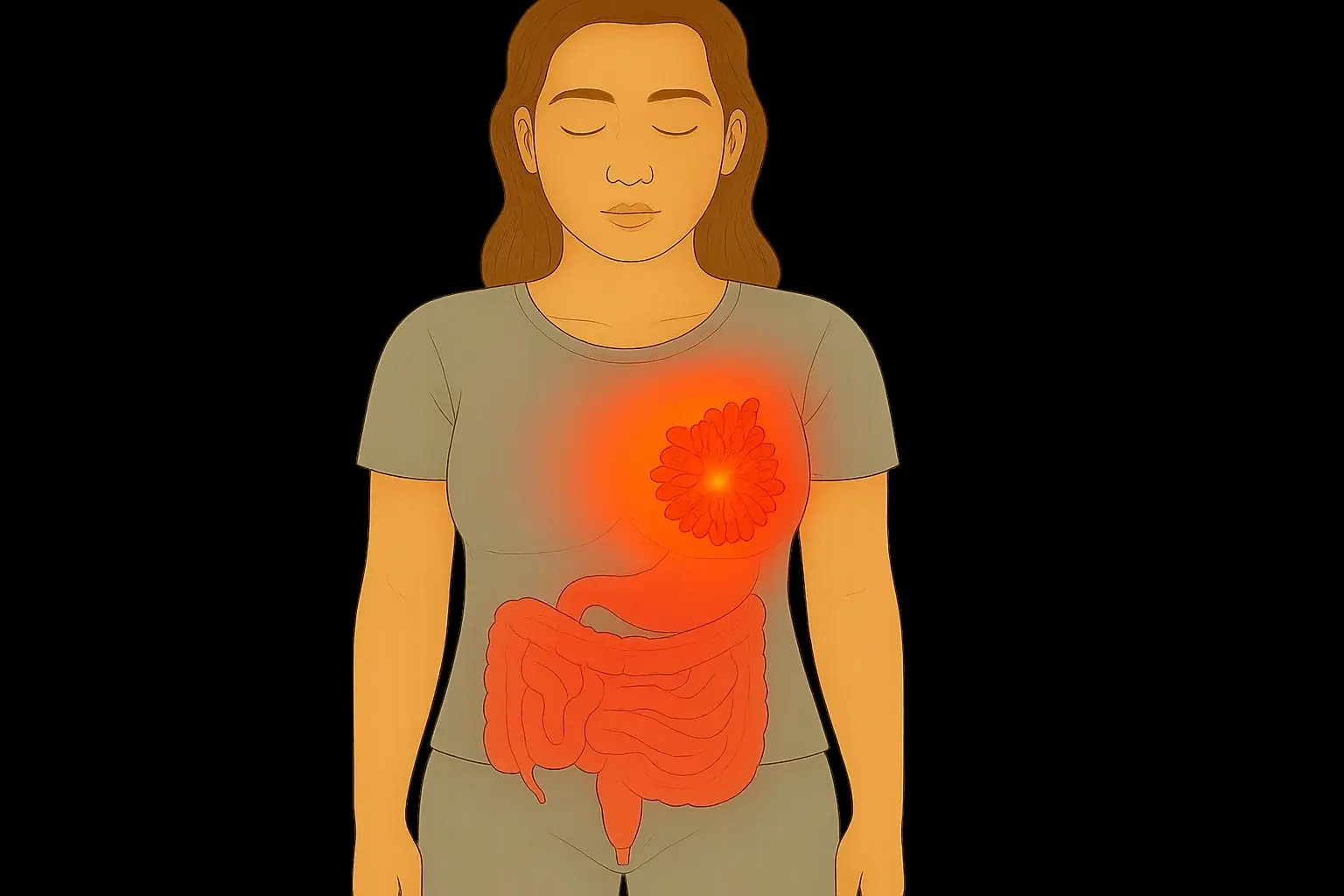
Without regular exercise, maintaining a healthy weight becomes challenging for both partners. Over time, the home becomes a place where unhealthy habits feel “normal,” making it difficult for the wife to sustain the level of activity needed to protect her health.
Advice: Commit to moving together — whether it’s daily walks, gym sessions, dance classes, or weekend sports. Exercising as a team not only lowers health risks but also improves mood, strengthens connection, and reinforces a shared commitment to wellness.
Habit 2: Smoking — The Invisible Threat to a Wife’s Health
Cigarette smoke remains one of the most dangerous and underestimated hazards inside a home. Even if a husband smokes on the balcony or steps outside, toxic particles cling to his skin, clothing, hair, and belongings — a residue known as third-hand smoke. This invisible contamination lingers on surfaces, furniture, and even in the air, affecting anyone who shares the space, especially his wife.
Passive exposure to tobacco smoke has been shown to increase the risk of breast health complications, particularly for pre-menopausal women. Research from the World Health Organization suggests that women living with smokers may face a 20–30% higher risk compared to those in smoke-free households.
The harm doesn’t end there. Secondhand and third-hand smoke are linked to long-term damage to the lungs, heart, and reproductive system. Even when a husband avoids smoking directly near his wife, the lingering chemicals he brings home can still pose serious risks.
Advice: The most effective solution is quitting smoking entirely. Short-term measures — only smoking outside, changing clothes afterward, or showering before close contact — may reduce exposure but cannot eliminate it. True protection comes only when smoking stops altogether.
Building a Healthier Future Together
A husband’s daily habits influence his wife’s well-being more deeply than most couples recognize. Neglecting exercise or smoking may seem small in the moment, but over time these choices can quietly increase serious health risks.
The good news is that positive change works the same way. Shared lifestyle improvements — even small ones — can dramatically reduce risk while strengthening trust, connection, and teamwork within a marriage.
Breast health is not solely a woman’s responsibility. It is a shared journey, one where both partners play an essential role. By making thoughtful changes today, couples can look forward to a future that is healthier, more supportive, and more fulfilling for both.