In the vast and complex field of botanical medicine, few natural substances carry as much historical and contemporary respect as the essential derived from Origanum vulgare, commonly known as wild oregano.
For centuries, traditional healers across the Mediterranean have valued this hardy perennial for its resilience, aroma, and multifaceted therapeutic properties. Over time, its uses evolved from culinary seasoning to a potent natural remedy
Unlike dried oregano, which flavors dishes and offers mildbenefits, the essential oil is an intensely concentrated extract. This volatile liquid contains a complex blend of chemical constituents that function as the plant’s own defense system.
These compounds were naturally developed to protect the plant from harsh climates, microbial threats, and insect predation. Humans, recognizing this biochemical arsenal, have harnessed it for diverse health applications
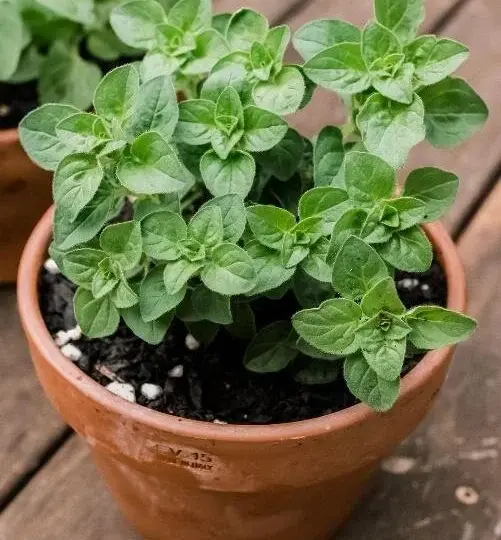
The most well-researched component is carvacrol, a monoterpenic phenol responsible for much of the oil’s antimicrobial potency. Thymol, another closely related phenol, complements carvacrol’s action against pathogens.
Together, carvacrol and thymol disrupt microbial cell membranes, halting replication and neutralizing harmful bacteria, viruses, and fungi before they can establish infections. This contrasts with synthetic antibiotics, which often target narrow pathways.
Unlike single-target pharmaceuticals, oregano oil’s multi-faceted mechanism reduces the risk of microbial resistance, positioning it as a versatile natural alternative for maintaining systemic health and combating diverse pathogens.
A primary area of benefit is gastrointestinal wellness. The human gut is a delicate ecosystem, where microbial balance influences immunity, digestion, and overall health. Imbalances can cause inflammation and disrupt nutrient absorption
Oregano oil’s compounds act as internal regulators, helping to reduce opportunistic bacteria and parasites such as giardia or pinworms. These organisms can linger in the digestive tract, causing discomfort, fatigue, and long-term inflammation.
The effects on nutrient absorption are equally significant. A compromised gut lining hinders the assimilation of vitamins, minerals, and essential fatty acids, potentially causing subclinical deficiencies even in nutritionally adequate diets
Oregano oil helps restore intestinal integrity by reducing microbial overgrowth and inflammation, improving villi function, and enhancing the body’s ability to extract and utilize nutrients efficiently.
Beyond the gut, oregano oil demonstrates broad-spectrum activity in the urinary system. The oil’s compounds circulate systemically, supporting the urinary tract by inhibiting the adhesion and proliferation of harmful bacteria.
This protective effect helps reduce the risk of recurring infections and supports the body’s natural filtration processes. By targeting multiple microbial pathways, oregano oil provides layered defense for sensitive biological systems.
For internal use, proper dosing is essential. Oregano oil is typically encapsulated or diluted in liquids to protect the sensitive mucosal linings of the digestive tract. Excessive intake can disrupt beneficial microbiota and cause digestive discomfort.
Its strong chemical profile means oregano oil can interact with certain medications. Individuals using anticoagulants, blood pressure medications, or gastrointestinal drugs should consult healthcare professionals before regular use.
The therapeutic value lies in precise dosing and timing, not volume. A few carefully measured drops or capsules often provide measurable health benefits without the risks associated with high, unmonitored intake.