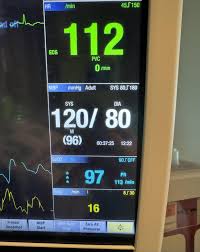
Many people believe that a blood pressure reading of 120/80 is always considered “perfect.” While this number is often viewed as a healthy benchmark, medical experts say blood pressure can vary depending on age, lifestyle, stress levels, and overall health.
Blood pressure readings are made up of two numbers. The first number measures pressure in the arteries when the heart beats, while the second measures pressure between beats. Keeping both numbers within a healthy range is important for long-term heart health.
Factors such as poor sleep, stress, lack of exercise, smoking, excess salt intake, and dehydration can all influence blood pressure levels over time. In some cases, people may not notice symptoms until blood pressure becomes a more serious issue.
Health professionals often recommend:
Regular physical activity
Balanced nutrition
Drinking enough water
Reducing stress
Monitoring blood pressure consistently
Getting enough sleep
Even small daily habits can make a noticeable difference in overall cardiovascular health.
Common Signs That May Be Linked to Blood Pressure Changes
Frequent headaches
Dizziness
Fatigue
Blurred vision
Shortness of breath
Chest discomfort
Anyone concerned about their blood pressure should speak with a healthcare professional and avoid relying only on information found online or on social media.
Understanding your body and maintaining healthy daily habits can play an important role in long-term wellness.