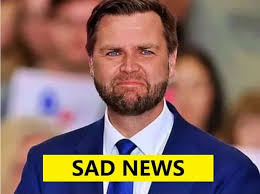
The controversy exposed just how fragile “special relationships” can be when language cuts too close to sacrifice and memory. For many in the UK, Vance’s remarks were not an abstract policy critique but a painful echo over coffins draped in Union Jacks. Veterans and bereaved families felt their losses had been minimized, turning a diplomatic misstep into a deeply personal affront.
When Vance clarified that his comments were not directed at Britain, some accepted the explanation, but the damage lingered. The episode sparked a wider debate about how leaders speak about past wars, shared failures, and the allies who bled beside them. It also reminded Washington and London that diplomacy is not only about strategy and interests, but about tone, humility, and the moral weight carried by those who never came home.


