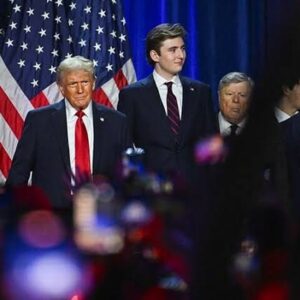
What remains is not a solved mystery, but a mirror held up to how we consume it. A shadowed figure, a glint in his hand, a slowing car—none of it arrives with context, only with captions written to provoke outrage or awe. The story spreads because it feels like it could be true, not because anyone has proved that it is. In that gap between image and explanation, imagination rushes in and quietly rewrites the night.
The real power of the scene lies in what we choose to do with uncertainty. We can turn it into ammunition, filling in motives and plots that suit our fears, or we can pause and admit what we don’t know. Demanding records, dates, and names is less dramatic than sharing a viral clip, but it is the only way to keep fiction from hardening into memory, and rumor from becoming our version of history.
A video can show a movement without explaining its purpose. It can establish that something appears within a frame while leaving the date, the surrounding circumstances, and the identity of a small object unresolved. Those are different kinds of information. Treating them as interchangeable allows a caption to do the work that the images themselves cannot do.
The suggestion that an object was something a person should not have been holding is especially consequential. That wording implies wrongdoing before the item has even been identified. The account ultimately acknowledges that the scene has not supplied an answer. Its opening speculation therefore cannot be treated as a finding about Trump, his intentions, or anything he might have carried.
Repeated viewing can create a feeling of familiarity without adding any new evidence. A viewer may become increasingly certain about an interpretation simply because the same sequence has become familiar. A pause, a zoom, or a dramatic soundtrack may direct attention toward a detail, but none supplies the missing context. The story’s central uncertainty remains even when its presentation becomes more elaborate.
The same distinction applies to comments beneath the clip. A confident explanation may sound persuasive, especially when it fits an existing political opinion. Unless it introduces an identifiable source of information, however, it is still an explanation proposed by a viewer. Agreement among viewers tells us something about the response to the image, not necessarily about the event represented in it.
The most responsible reading keeps the observable scene separate from the narrative attached to it. The clip may invite curiosity, but curiosity is not a conclusion. The supplied account offers no basis for naming the object or assigning it a secret purpose. Its lasting point is the gap between what a short recording appears to show and the much larger story that can be built around it.
Nothing in that uncertainty requires a viewer to choose between defending and accusing the person shown. Leaving an unidentified object unidentified is a complete and accurate description of the available information. It also leaves room for a later explanation without having first turned a guess into a supposed fact.